
P-47D
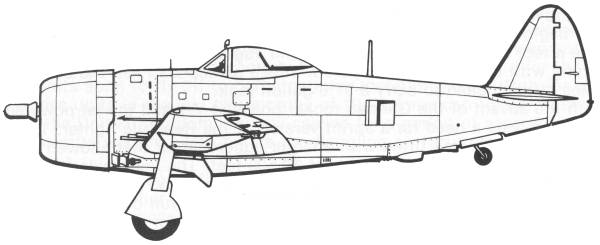
The P-47 was the culmination of a line of radial engined fighters that started with the Seversky P-35 which was produced in 1937 and 1938. While the P-35 was hardly a world beater it did give Seversky experience and a foot in the door when it came to fighter aircraft. Next in the line came the P-43 Lancer. About this time Severski ran into financial problems and reorganized as Republic Aviation. While still not a world class fighter the Lancer did keep Republic's lines operating until a fighter design that would bring the US up to snuff with the rest of the combatants. That design was the P-47. The P-47 was designed around the most powerful engine available at the time, the Pratt and Whitney R2800. Republic knew that in order to meet the performance and load carrying demands being made by the Army Air Corps that the R2800 would require an efficient supercharging duct system and set about the unorthodox method of designing the system first and building the fuselage around it. A conventional three bladed propellor could not efficiently utilize the power of the new engine so a four bladed prop was adapted. This created a ground clearance problem and a longer undercarriage would have taken up room needed for guns and ammunition that was required so Republic designed a telescoping landing gear that was nine inches shorter retracted than it was when extended.
The first prototype, the XP-47B made its first flight on May 6, 1941. Even though it was twice the weight of most of its contempories, its 2000 hp engine still gave it a top speed of 412 mph. It was hoped that the design would be combat ready by May of 1942 but this proved optomistic as there were numerous teething problems and production did not begin until the Spring of 1942. the production P-47B differed from the prototype only in having a sliding canopy instead of a hinged canopy and a production version of the R-2800 and though its weight had increased the maximum level speed increased to 429 mph. One hundred and seventy-one B models were built.
The next production variant, the P-47C was similar to the B-model. Overall length increased, most of it due to an extension of the fuselage at the firewall. The rudder and elevator balance system was redesigned and the most important change was the addition of shackles to carry a 166 gallon ventral tank. Early C-models used the same engine as the B but later but later models used the R-2800-59 which was equipped with water injection which provided a War Emergency Rating of 2300 hp. The C-model was the first to see combat and 565 were built.
The P-47D was the next production version and over three forths of all Thunderbolts were of this model.
The Kit
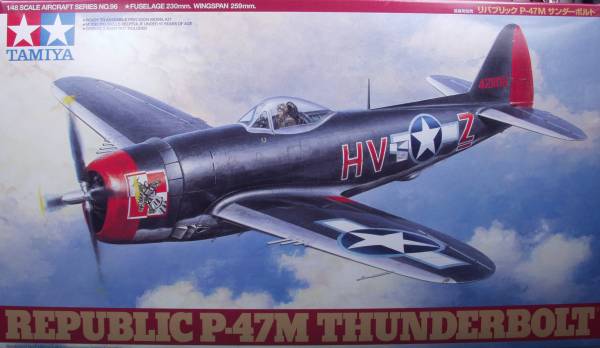
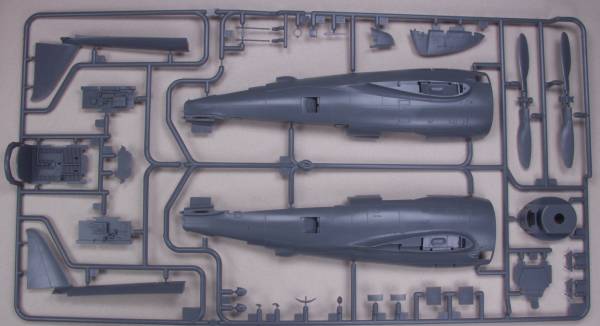
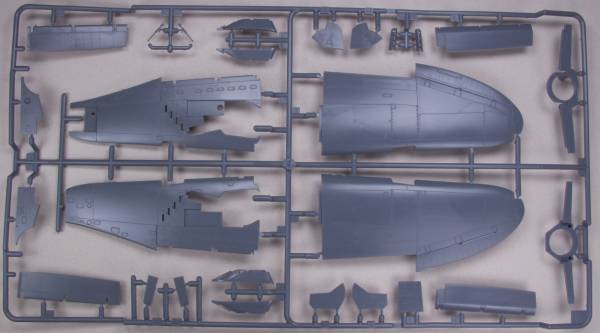
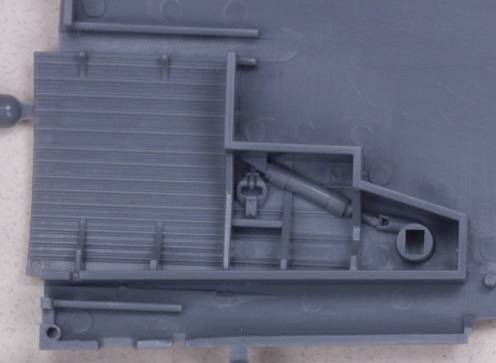
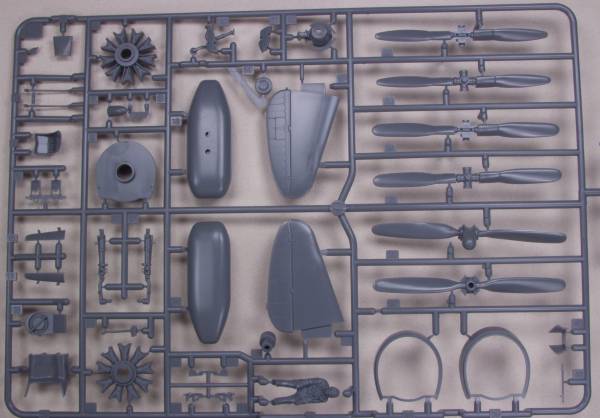
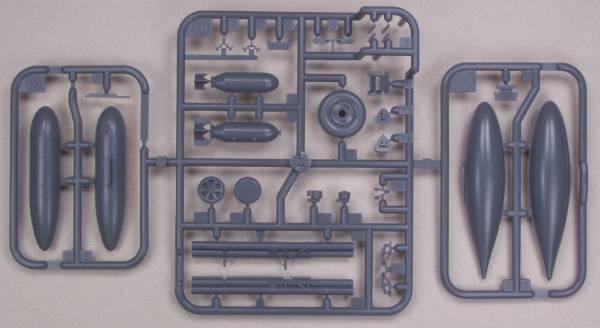
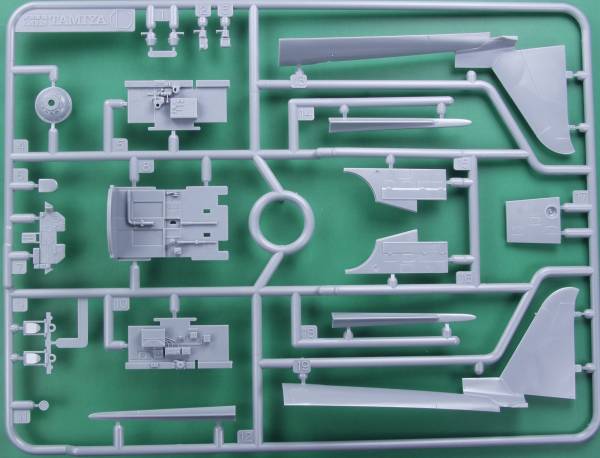
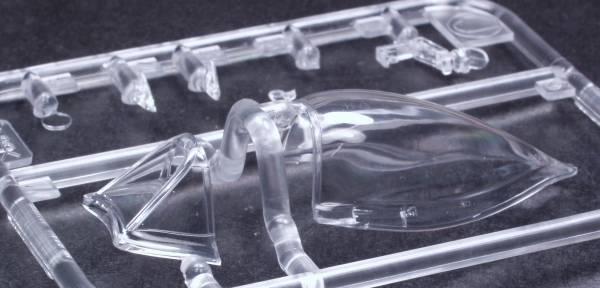
OK, so what's the deal, the title says P-47D and yet I have shown a photo of the P-47M box. Well, it's like this, I needed to build a later model P-47D than one can build from the Tamiya P-47D kit. It's a great kit but only good for P-47D's up to the -25 version. Later models had a tapered fin extension from aft the radio mast to the tail to compensate for some lack of directional stability that was lost when they went to the bubble top configuration. The P-47M kit includes those parts plus all the parts that are included in the P-47D kit plus those associated with the M model. In fact that only difference between the two kits is one sprue of parts and that is the one illustrated below on a green background.

Links to kit build or reviews
Review / build of the D version here and an inbox review of the M version here.
References
Updated 5/12/08